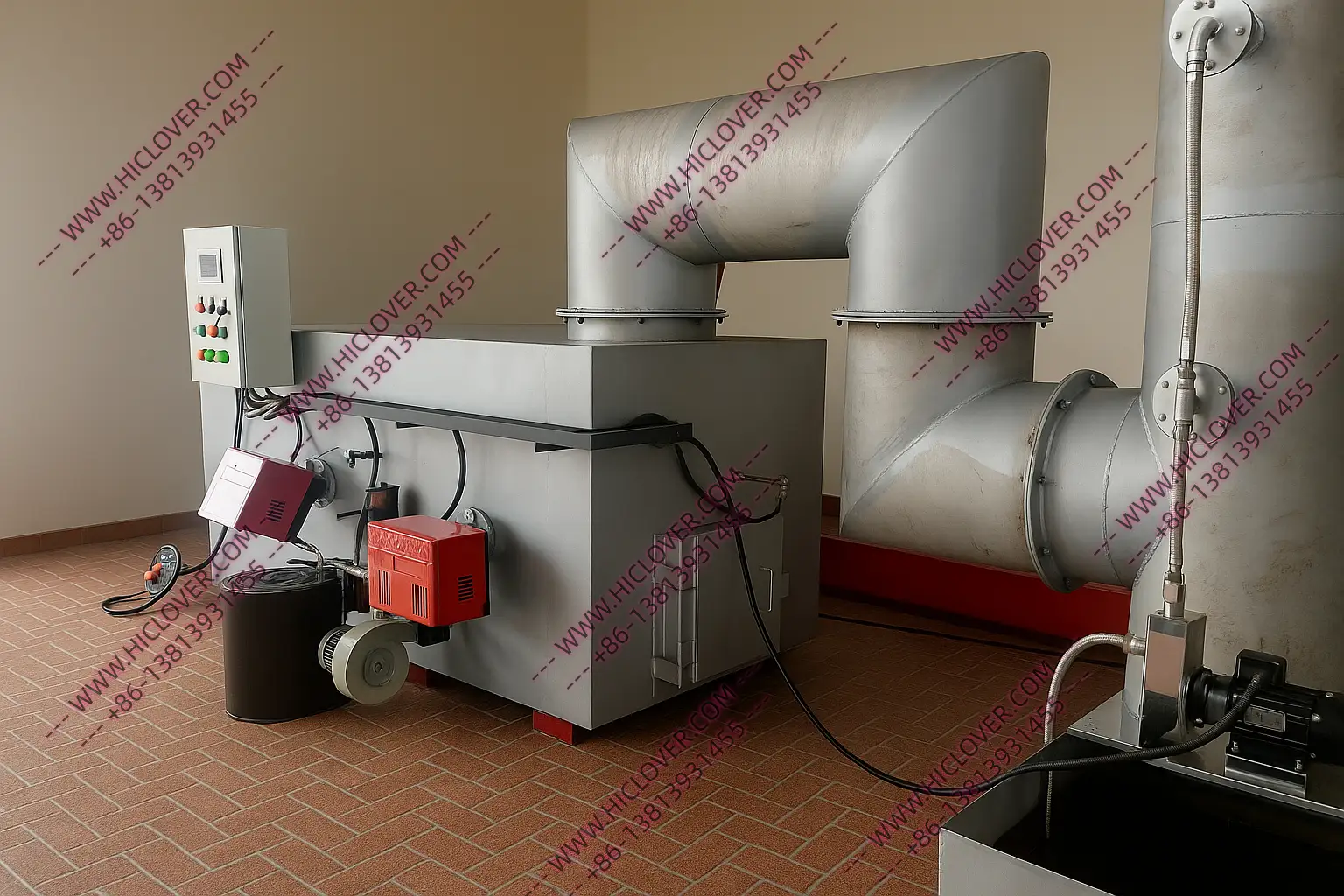
HICLOVER Waste Incinerator: Technical Analysis & Global Market Insights
In a world where industrial standards, engineering reliability, and precise temperature regulation are paramount, waste incinerators have emerged as a cornerstone in waste management. This analysis, which considers medical incinerator operating temperature standards among other critical criteria, clarifies how robust incinerator systems maintain high temperature ranges and ensure engineering consistency. Attention to specifics such as Senegal incineration plants, Liberia medical waste incinerator china, Chad china medical waste incinerator, china incinerator, incinerator capacity calculation, low-cost medical waste incinerator, and incineration combustion chamber designs underpins the strategic adoption of these systems globally. With HICLOVER’s extensive engineering experience and factory manufacturing capability, decision-makers receive a technical solution that integrates industry standards, dual combustion chambers, and digital automation in industrial equipment to ensure optimal performance in even the most demanding environments.
Technical Overview and Environmental Compliance
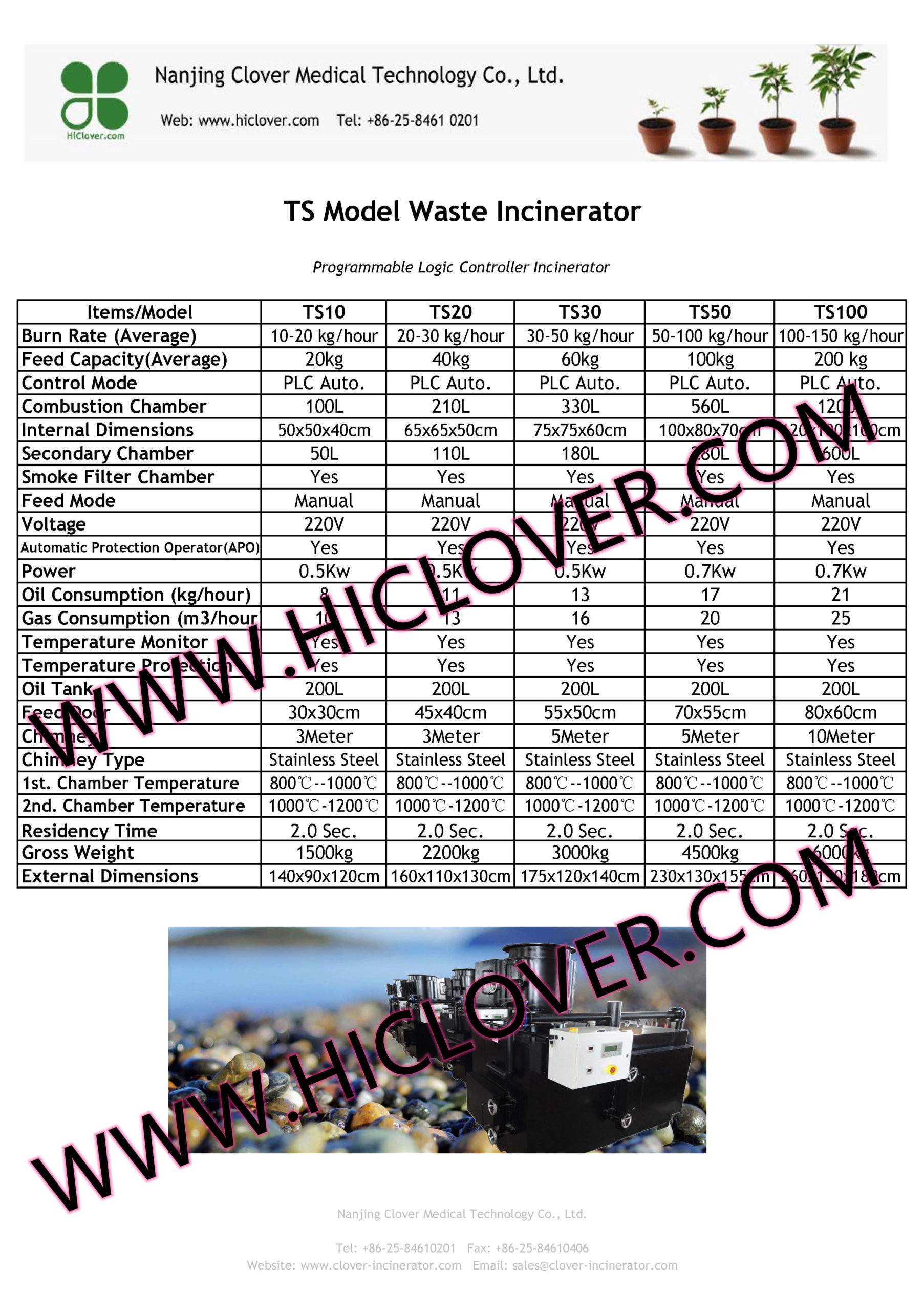
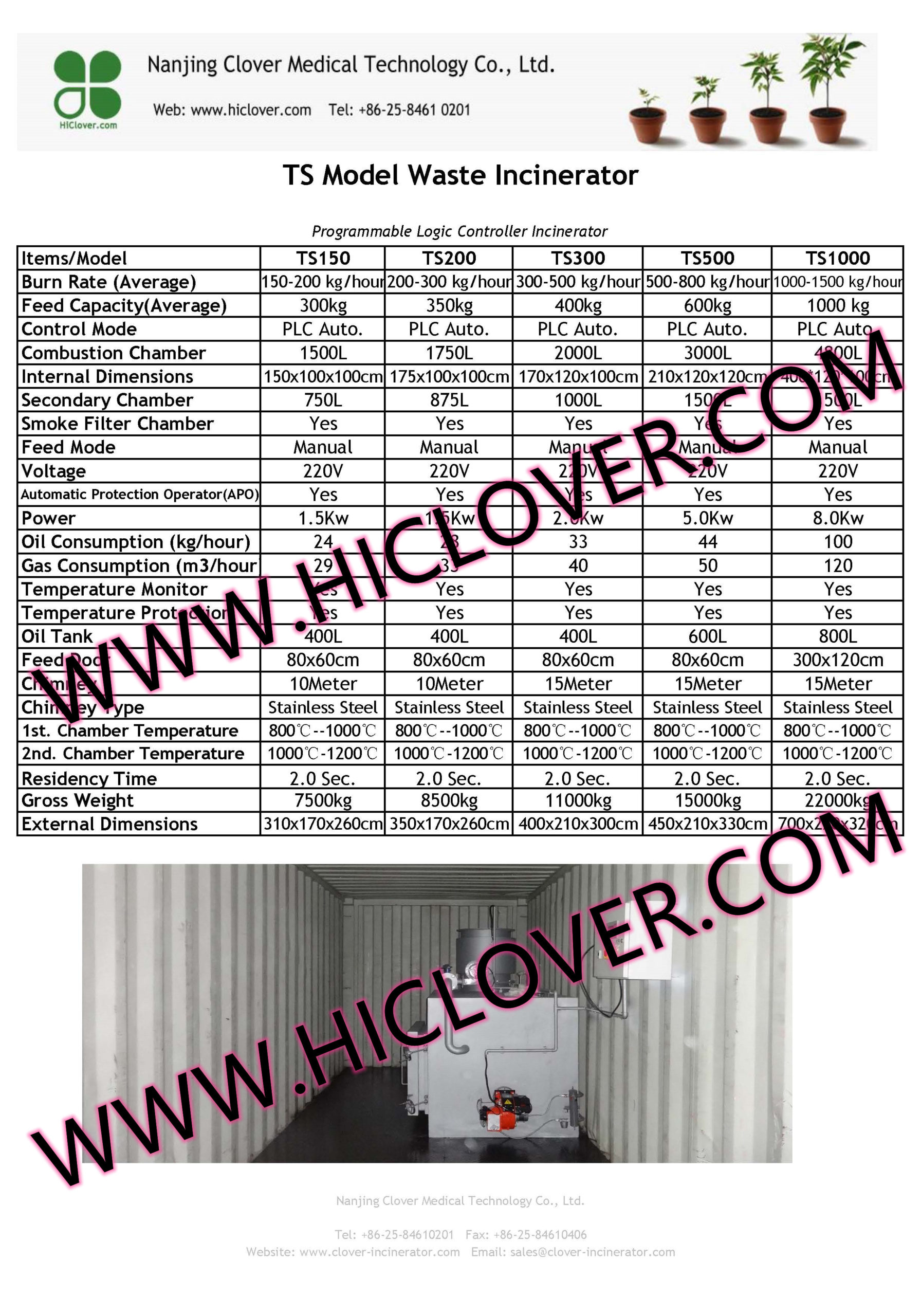
The technical design of HICLOVER waste incinerator systems delivers performance under rigorous conditions. Designed to meet stringent industrial temperature standards and regulatory benchmarks such as the WHO and EU emission frameworks, these systems incorporate dual combustion chambers that emphasize high temperature retention and efficient destruction of contaminants. The approach utilized by HICLOVER includes:
- Advanced PLC automation for precise temperature control and optimized burner operation.
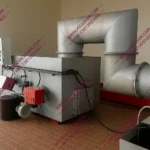
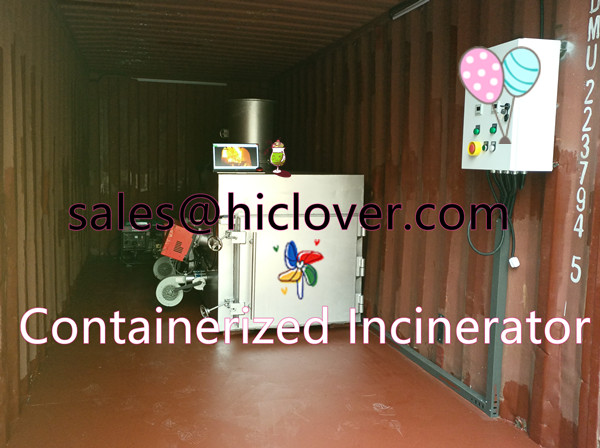
- Containerized modular systems and mobile plug-and-play design to serve remote locations including remote mining and oil camps.
- Multi-fuel adaptability, with support for diesel, LPG, and natural gas, ensuring operational continuity and energy recovery systems.
- The integration of either optional wet or dry scrubbers, thus addressing diverse environmental and regulatory needs while achieving carbon emission reduction pressure objectives.
Design emphasis is also placed on critical components like the incineration combustion chamber, which must satisfy rigorous incinerator capacity calculation requirements. Technical temperature ranges are confirmed across varied fuel combinations to assure consistent performance in crisis zones and humanitarian camps where dual chamber operation is critical. Periodic technical reviews, backed by HICLOVER’s factory direct supply, reaffirm stability in both supply chain resilience and engineering experience. Remote settings benefit from the containerized and mobile design, ensuring that ESG compliance is carefully integrated into every module.
System testing adheres to industrial guidelines that include benchmarks for digital automation in industrial equipment, ensuring that all operational standards are met. As detailed on HICLOVER's website, the design employs dual combustion chambers to maximize thermal efficiency and ensure strict regulatory adherence with advanced cleaning technologies. Moreover, users seeking further clarification can consult additional technical guidelines on medical incinerator secondary chamber temperature standard for a deeper understanding of the parameters involved in such measurements.
Commercial and Transactional Considerations
Investors and business partners assessing HICLOVER waste incinerator systems