HICLOVER Waste Incinerators: A Technical Deep-Dive into Design, Application, and Performance
Understanding Waste Incinerator Technology and Applications
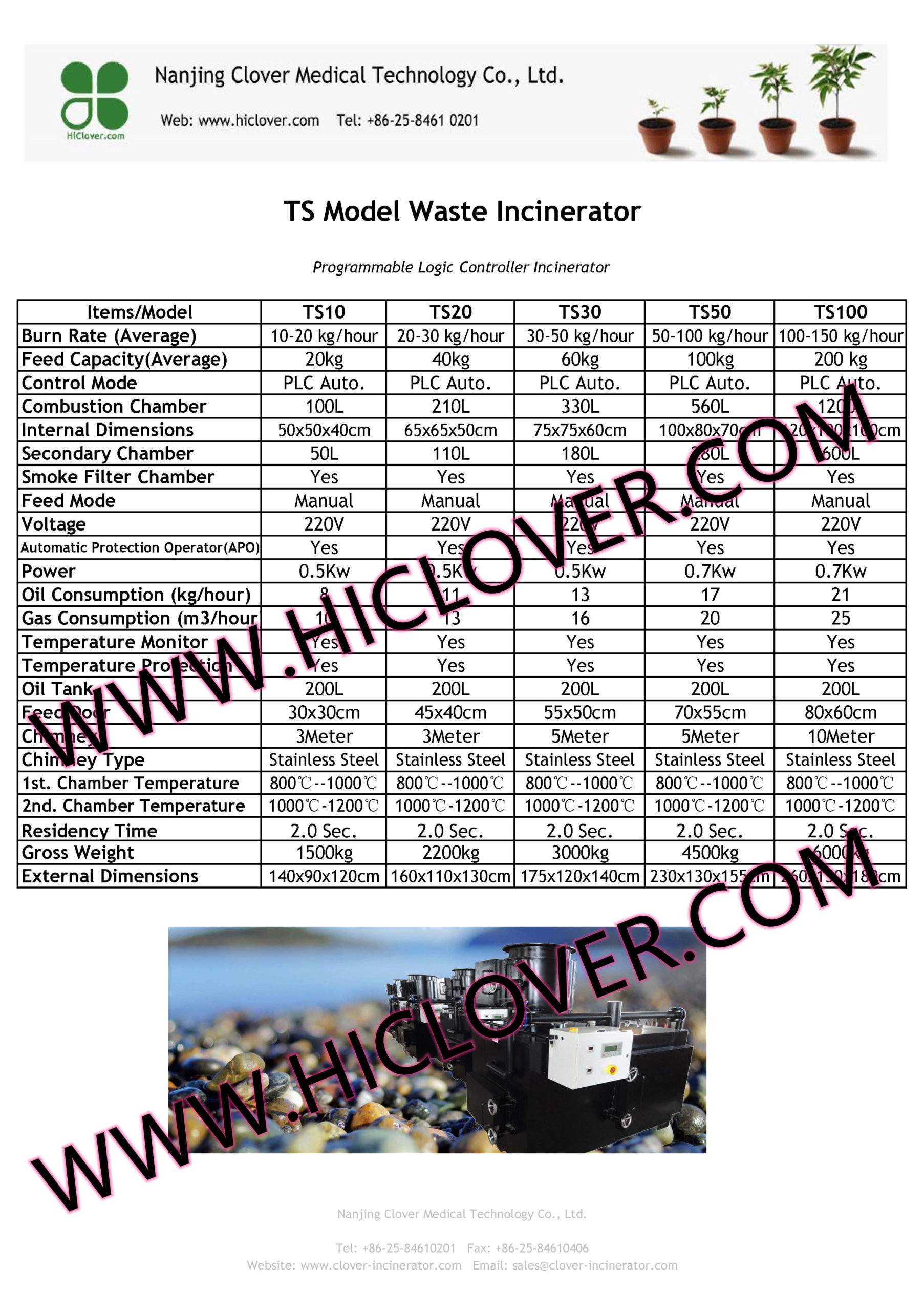
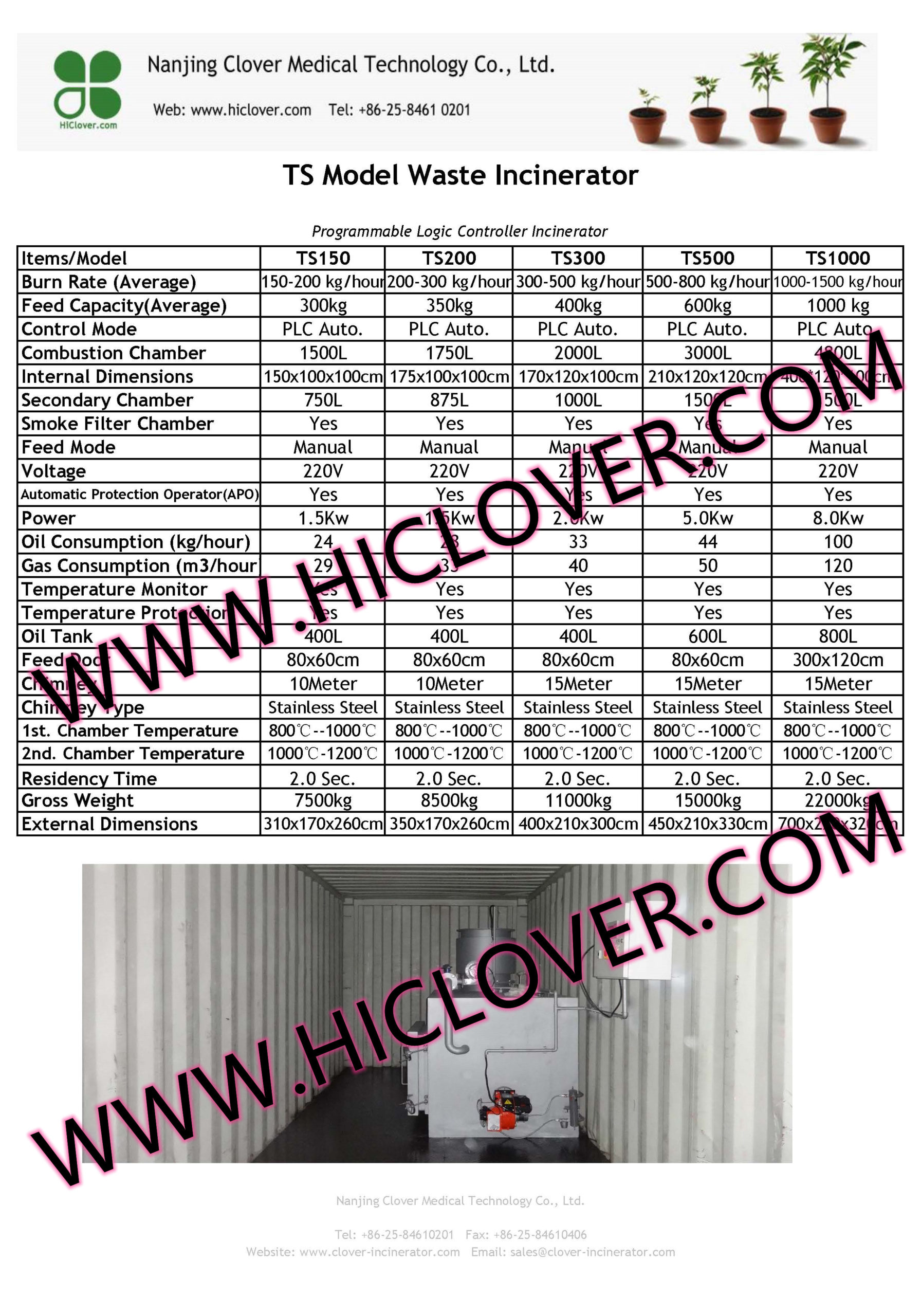
**Waste incinerators** represent a critical technology in modern waste management, offering a controlled method for reducing the volume and hazard of diverse waste streams. Critical parameters for **waste incinerator operating temperature standards** are defined by regulatory bodies, demanding high temperatures, often exceeding 850°C in the primary chamber and 1100°C in the secondary chamber, to ensure complete combustion and minimize harmful emissions. These systems must be engineered for reliability and consistent performance while adhering to stringent environmental standards. HICLOVER has accumulated over 16 years of **engineering experience** serving diverse market applications globally, delivering efficient and cost-effective **waste management** systems.
The core principle behind **waste incinerators** is thermal decomposition. Waste material is subjected to high temperatures in a controlled environment, converting it into ash, flue gas, and heat. This process drastically reduces waste volume, often by as much as 90%, and destroys pathogens and harmful organic compounds. The design incorporates features like dual combustion chambers to ensure complete combustion; the first chamber volatilizes the waste, while the second ensures complete oxidation of the resulting gases.
Key Components and Combustion Principles
A typical **medical incinerator design** includes several essential components: a waste feeding system, primary and secondary combustion chambers, an air supply system, a flue gas treatment system, and an ash handling system. The primary chamber operates under substoichiometric conditions (limited oxygen) to promote pyrolysis and gasification. The secondary chamber introduces excess air to fully combust the gases produced in the primary chamber, minimizing the formation of dioxins and furans. [https://www.google.com/search?q=medical+incinerator+secondary+chamber+temperature+standard](www.google.com/search?q=medical+incinerator+secondary+chamber+temperature+standard) can provide more information on specific temperature requirements.
The temperature in each chamber is carefully controlled to optimize combustion efficiency and minimize emissions. High-temperature retention time is crucial; gases must remain at the specified temperature for a sufficient period (typically 2 seconds or more) to ensure complete destruction of organic pollutants.
Regulatory Frameworks and Environmental Considerations
The operation of **waste incinerators** is heavily regulated to protect the environment and public health. International standards, such as those set by the World Health Organization (WHO) and the European Union (EU emission frameworks), dictate permissible emission levels for various pollutants, including particulate matter, dioxins, furans, and heavy metals. These regulations drive the need for advanced flue gas treatment systems, such as scrubbers and filters, to remove pollutants from the exhaust gas before it is released into the atmosphere. ESG compliance is increasingly critical for organizations operating waste management facilities, pushing the adoption of cleaner and more efficient incineration technologies.
Comparative Analysis of Incinerator Types and Control Systems
The selection of a suitable **waste incinerator** depends on several factors, including the type and volume of waste to be treated, the desired level of automation, and the environmental regulations in the region. Different types of incinerators are available, each with its own advantages and disadvantages.
Fixed vs. Containerized Incinerators
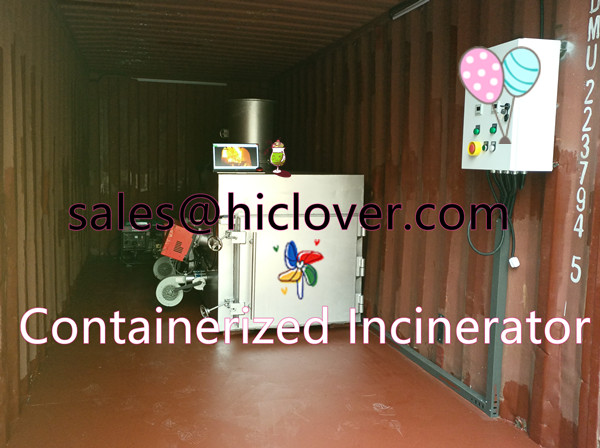
Fixed incinerators are typically large-scale installations designed for continuous operation at a fixed location. They offer high throughput and can be equipped with advanced features for energy recovery. Containerized incinerators, on the other hand, are mobile and modular, offering greater flexibility and ease of deployment. HICLOVER specializes in **Containerized modular systems**, offering a **mobile plug-and-play design** that is ideal for remote locations, crisis zones, and temporary waste management needs. These systems can be rapidly deployed and redeployed as needed, making them a valuable asset for organizations operating in dynamic environments.
These **mobile incinerators** are particularly suited to crisis zones and humanitarian camps, locations where rapid deployment and decentralized waste management are essential. The ability to quickly establish a waste disposal system contributes significantly to public health and environmental safety in such scenarios.
PLC vs. Manual Control Systems
The level of automation in a **waste incinerator** can significantly impact its operational efficiency and ease of use. Manual control systems require operators to manually adjust various parameters, such as air flow and fuel feed, based on visual observations and instrument readings. PLC (Programmable Logic Controller) systems, on the other hand, automate these processes, using sensors and feedback loops to maintain optimal combustion conditions. HICLOVER offers **PLC automation** for its **waste incinerators**, providing precise control, improved efficiency, and reduced operator workload. A **PLC controlled automatic waste Incinerator** integrates advanced automation to improve efficiency, safety, and reliability of waste management.
Scrubber Technology: Dry vs. Wet
Flue gas treatment is a crucial aspect of modern incineration technology. Dry scrubbers use dry reagents, such as lime or activated carbon, to absorb pollutants from the flue gas. They are relatively simple to operate and maintain, but may not be as effective as wet scrubbers in removing certain pollutants. Wet scrubbers use liquid solutions to absorb pollutants, offering higher removal efficiencies but also generating wastewater that requires further treatment. HICLOVER offers **optional wet or dry scrubbers** for its **waste incinerators**, allowing customers to choose the system that best meets their specific needs and environmental regulations.
[https://hiclover.com/contact/](hiclover.com/contact/) is available for any questions concerning incinerator configurations.
HICLOVER Waste Incinerators: Solutions and Global Export Capabilities
HICLOVER, as a **waste incinerator manufacturer**, offers a comprehensive range of **waste incinerators** designed to meet diverse waste management needs. With over 16 years of **engineering experience** in the **waste incinerator** industry, HICLOVER excels in serving diverse market applications.
Customization and Factory Direct Supply
HICLOVER provides **customizable chamber volume** options to accommodate different waste volumes. Being a **factory direct supply** ensures competitive pricing, direct communication, and tailored solutions. Unlike trading companies, HICLOVER offers direct access to engineering expertise, ensuring optimal system design and performance. The increasing pressure for carbon emission reduction drives the demand for energy-efficient waste management solutions, and HICLOVER’s systems are designed with this in mind.
Diverse Fuel Options and Dual Chamber Design
HICLOVER **waste incinerators** are designed for **multi-fuel** operation, capable of using **diesel, LPG, or natural gas**, providing flexibility and adaptability to local fuel availability. The **dual combustion chambers** ensure complete combustion and minimize emissions. The ability to handle diverse fuels is especially advantageous in remote areas or regions with unstable fuel supply chains.
Global Export and Supply Chain Stability
HICLOVER has a proven track record of **global export capability**, delivering reliable **waste incinerator** solutions to customers around the world. A **stable supply chain** ensures timely delivery and consistent product quality. This is particularly important in the context of global infectious disease preparedness, where rapid deployment of waste management infrastructure is critical to preventing the spread of disease. The company offers **medical waste incinerator**, **animal waste incinerator**, **pet cremation incinerator** and other **solid waste incinerator**.