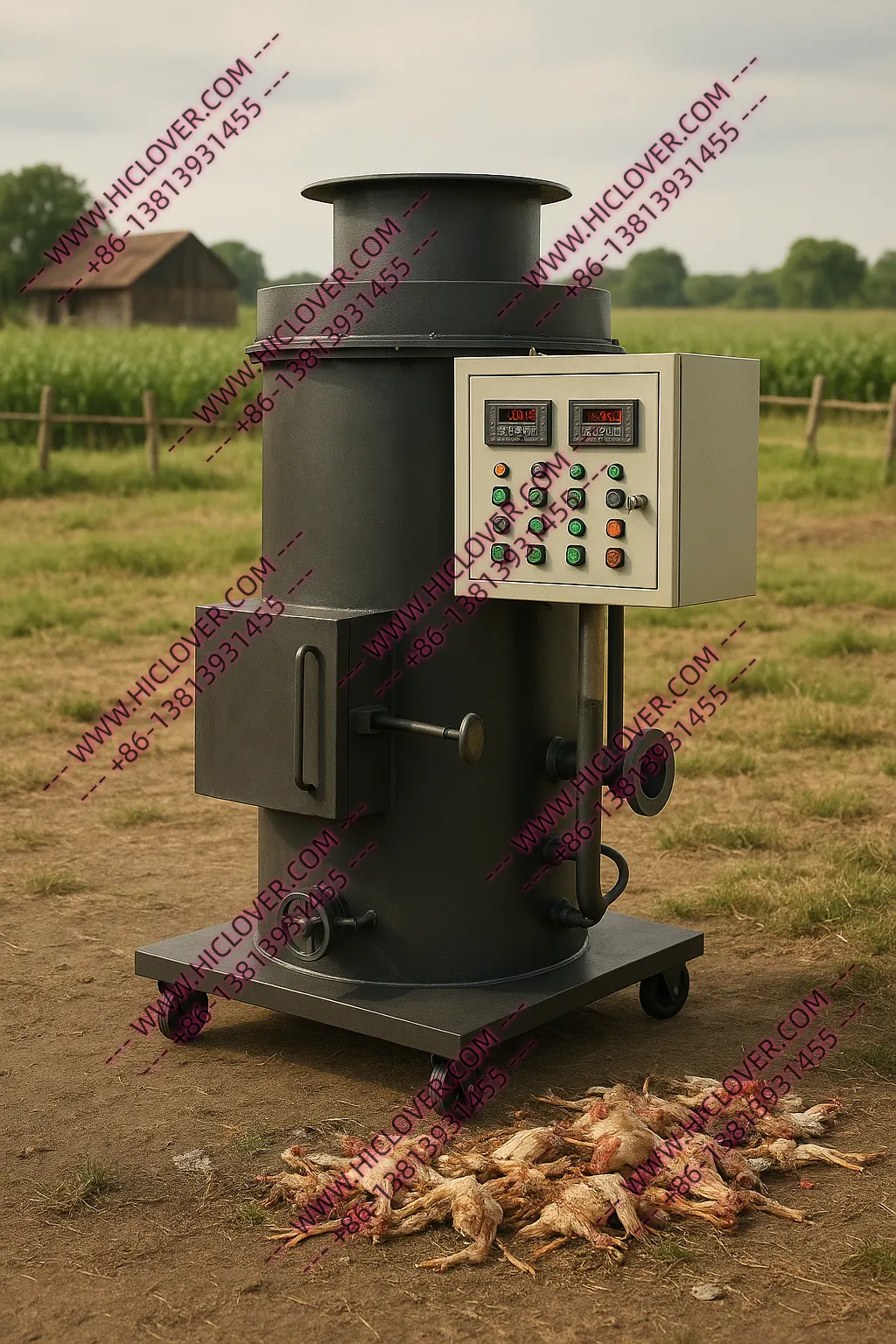
Innovative Solutions in Waste Management: The Role of HICLOVER Waste Incinerators
In the realm of waste management, effective disposal methods are critical, especially in developing regions. **Waste incinerators** serve as vital tools for the safe and efficient destruction of hazardous materials, including medical waste. HICLOVER’s incinerators are designed to meet industrial standards with operating temperatures reaching up to 1200°C, ensuring thorough combustion and compliance with regulatory safety guidelines. As nations like Mozambique and Ghana strive to enhance their waste management infrastructure, the importance of reliable **Mozambique medical incinerators** and **Ghana small medical waste incinerators** cannot be overstated. The engineering reliability and adaptability of HICLOVER’s systems position them as a key player in this evolving landscape.
The Significance of High-Temperature Combustion
Waste incineration is not merely about burning waste; it is a complex process that involves understanding combustion principles, temperature retention, and emission controls. At the heart of effective waste incineration lies the dual combustion chamber design. This system allows for complete combustion of waste materials, significantly reducing harmful emissions. The primary chamber achieves high temperatures to incinerate waste, while the secondary chamber ensures that any remaining particulates are burned off, meeting stringent safety regulations as stipulated by the WHO and EU emission frameworks.
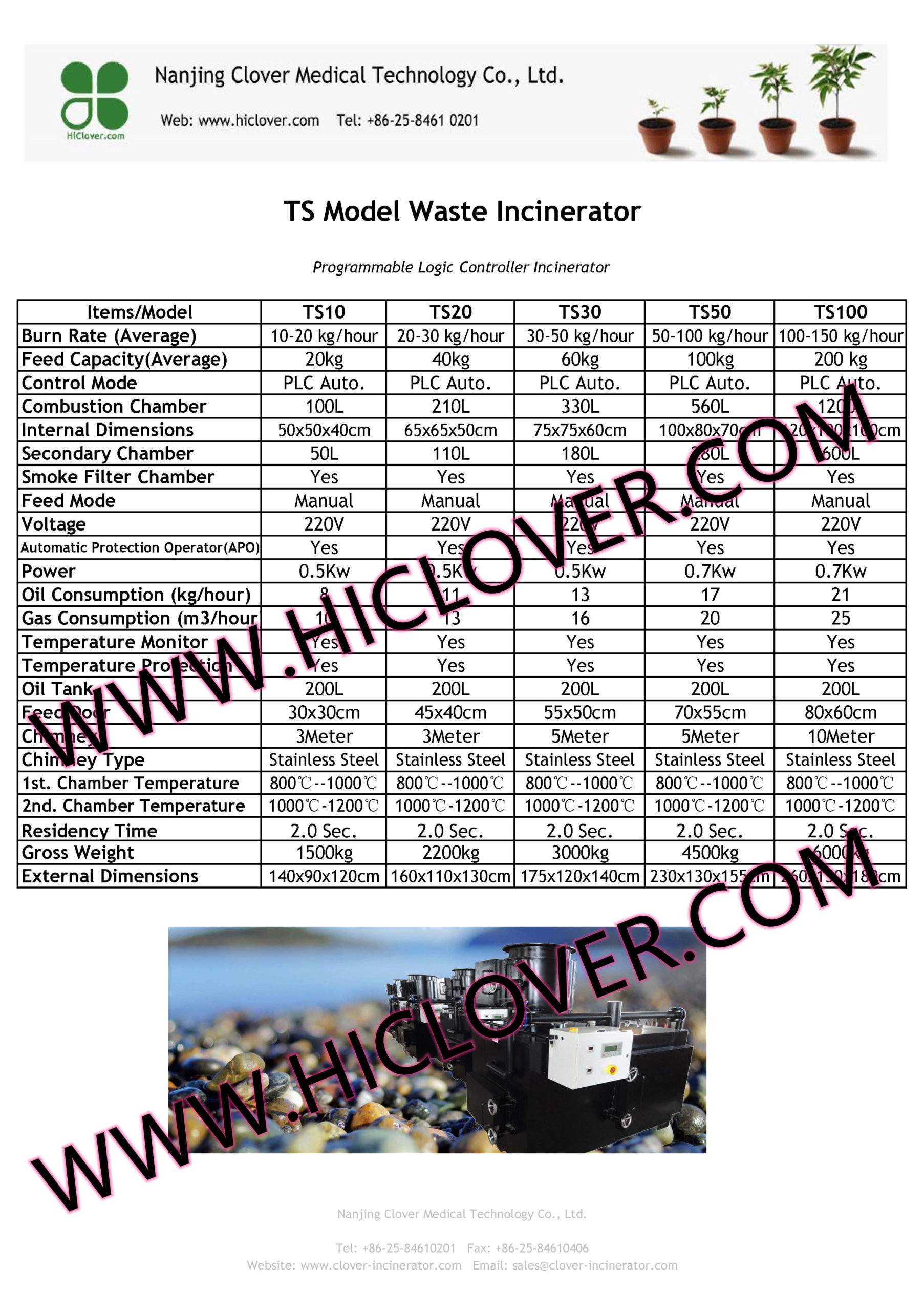
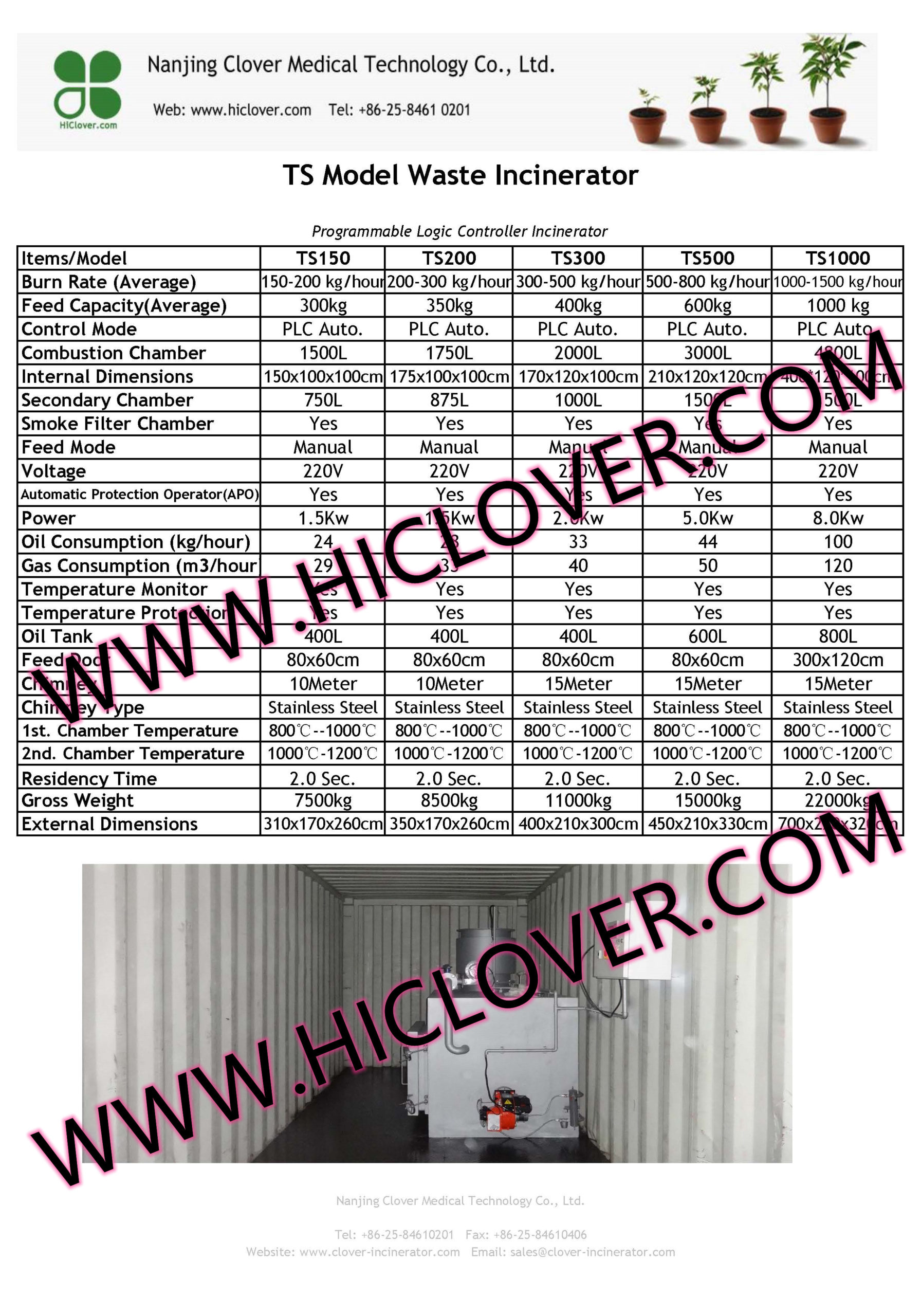
The critical temperature range for effective waste incineration typically falls between 800°C and 1200°C. This range is essential for destroying pathogens and reducing the volume of waste by up to 90%. HICLOVER emphasizes the importance of maintaining consistent high temperatures, which are vital for the safety and effectiveness of their systems. Furthermore, the integration of both wet and dry scrubber options enables the management of emissions, aligning with global efforts toward carbon emission reduction and ESG compliance.
Dual Chamber Systems Explained
The dual chamber incinerator design is a distinguishing feature of HICLOVER’s technology. The first chamber is where primary combustion occurs, heating waste materials to the required temperatures to ensure complete oxidation. The gases produced then move into the secondary chamber, where they encounter additional heat and turbulence, promoting further oxidation of any remaining compounds. This two-step combustion process not only enhances efficiency but also significantly minimizes the risk of hazardous emissions.
Regulatory bodies should pay close attention to how technology like this can help meet compliance standards. For instance, HICLOVER’s designs adhere to international safety guidelines, making them suitable for various settings—from urban hospitals to remote mining camps where waste management can pose significant challenges.
Types of Waste Incinerators
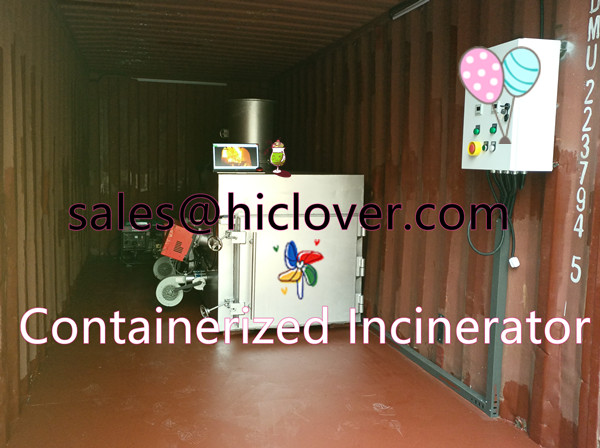
When selecting an incinerator, understanding the nuances between different types can be pivotal. HICLOVER offers both fixed and containerized systems, each with its benefits. Fixed incinerators are often preferred for large-scale operations in populated areas, providing a stable solution for consistent waste volumes. In contrast, containerized systems offer flexibility, allowing for mobility and quick setup in remote locations, such as humanitarian camps in crisis zones where rapid waste disposal is paramount.
The choice between manual versus PLC (Programmable Logic Controller) control systems also influences operational efficiency. PLC systems allow for automated monitoring and adjustment of temperature and combustion conditions, minimizing human error and ensuring optimal performance. This technology is particularly beneficial in environments where skilled personnel may not be readily available, thus enhancing the overall safety and efficiency of waste management operations.
Scrubber Systems: Wet vs. Dry
Another critical aspect of waste incineration is the choice of scrubber systems. Wet scrubbers use liquid to capture pollutants, while dry scrubbers utilize chemical reactions to neutralize harmful emissions. Each system has its advantages depending on the specific application and regulatory requirements. For instance, wet scrubbers are effective in removing acid gases, while dry scrubbers can be more suited for environments where water usage is restricted.
Understanding these differences allows government officials and regulatory bodies to make informed decisions regarding the most suitable waste management technologies for their regions. HICLOVER’s engineering experience in designing customizable solutions means that clients can select systems tailored to their specific needs, whether it’s a **Benin china incinerator** or a **Swaziland china incinerator manufacturer** solution.
Global Considerations and Local Implementation
A critical layer of understanding HICLOVER’s role in the waste management industry is recognizing the global trends influencing local practices. Countries like Mauritius are looking for **incinerator china manufacturers** to help manage increasing waste production rates. The consistent growth in population and urbanization leads to an accumulation of medical and hazardous waste, necessitating robust disposal solutions.
Moreover, the integration of advanced technologies in waste management systems aligns with goals for carbon neutrality and public health. The increasing pressure for businesses to adhere to ESG (Environmental, Social, and Governance) criteria further drives the adoption of high-efficiency incineration technologies. HICLOVER’s containerized modular systems support decentralized waste management initiatives, enabling local authorities to handle waste sustainably and effectively.
Case Studies: Applications in Africa
In Mozambique, the lack of proper waste disposal facilities has led to significant public health concerns. The introduction of **Mozambique medical incinerators** equipped with HICLOVER technology not only addresses waste disposal needs but also contributes to better health outcomes by safely eliminating hazardous waste. Similarly, Ghana has benefitted from the deployment of **Ghana small medical waste incinerators**, which cater to local healthcare facilities and improve waste management capabilities across the nation.
In countries like Cote d’Ivoire, the need for a reliable **manufacturer of hazardous waste incinerators in China** has become apparent. HICLOVER’s commitment to factory direct supply ensures that governments can access the latest technology and engineering expertise for their waste management programs. The stability of HICLOVER’s supply chain further supports these initiatives, making them a favored partner in the region.
Building a Sustainable Future
As the global community continues to face challenges posed by waste management, innovative technologies like those provided by HICLOVER emerge as essential solutions. The demand for effective waste incinerators will only increase as cities expand and the need for sustainable practices becomes more pronounced. HICLOVER’s commitment to engineering excellence, coupled with their adaptable designs, places them at the forefront of this vital industry.
HICLOVER’s incinerators are not just machines; they represent a significant advancement in our approach to waste management. By adhering to national and international safety guidelines, these incinerators facilitate the safe disposal of hazardous materials while promoting public health and environmental sustainability.
With the continued evolution of waste management technologies, HICLOVER remains dedicated to providing reliable, efficient, and safe waste incineration solutions all around the globe. For further information on how HICLOVER can support your waste management practices, visit HICLOVER’s official website.